Rokeby Museum
About Rokeby
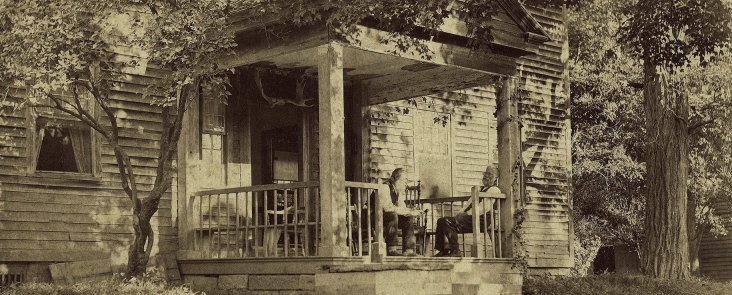
From 1793 to 1961, Rokeby was home to four generations of Robinsons — a remarkable family of Quakers, farmers, abolitionists, artists, and authors. Today, the Robinson family’s home is a National Historic Landmark, designated for its exceptional Underground Railroad history. Rokeby is among the best-documented Underground Railroad sites in the country, one the National Park Service has described as:
“unrivaled among known sites for its historical integrity and the poignancy of the stories it tells.”
Telling those stories is at the center of the Museum’s mission, which is to “connect visitors with the human experience of the Underground Railroad and with the lives of the Robinsons, who lived on and farmed this land for nearly 200 years.” Guided by Rachel Gilpin and Rowland Thomas Robinson’s commitment to speaking truth to power, today’s Rokeby is committed to serving as a center for the exploration and discussion of contemporary social justice issues.
Follow Rokeby on Instagram
Thank you, @madriverdistillers , for providing the "spirits" for our first week of Spirits of Rokeby! And thank you to everyone who came out to take part in this unique annual event. If you missed last week`s performances, don`t worry: we have ten more shows before we wrap up this week. Tickets are still available! Simply visit rokeby.org/spirits or call (802) 877-3406 to reserve yours today.
Next week will feature the return of @split.spirits. Gather in our visitor center to purchase a drink and mingle before the show. Don`t miss this chance!
#rokeby #museum #history #event #séance #reenactment #afterhours #vermont #fallvibes🍁 #spirits #october
Oct 19

The mediums are waiting, and the table is set. All that`s missing is...you. Tonight kicks off the first performances for Spirits of Rokeby! If you haven`t gotten your tickets yet, you`ll want to grab them now. Simply visit rokeby.org/spirits or call 802-877-3406
With five performances across four nights, there are plenty of opportunities to be a part of this unique event! Before your show, enjoy a drink from @madriverdistillers or @split.spirits , or try some complimentary cider from @woodmanhillorchard and @yatesfamilyorchard.
Don`t miss out!
#rokeby #museum #history #event #afterhours #reenactment #vermont #séance #spirits #october #fallvibes🍁
Oct 16
As we approach the first date of this year`s Spirits of Rokeby production, we look back on past performances. Long after our normal hours, in a parlor lit only by "candlelight," our actors brought history to life with a séance straight out of the Robinson family records! Last year, a special visitor to the Robinson household added some extra drama to our show. This year, a more unsettling guest will arrive...
This year`s Spirits of Rokeby performance will feature a new character and revised script. Whether you`ve been to a previous show or not, there will be something new to experience! Tickets are still available for all four nights. Simply visit rokeby.org/spirits or call 802-877-3406
#rokeby #museum #history #event #spiritualists #october #theatre #seance #localhistory #fallvibes #spirits #afterhours
Oct 13
Rokeby Museum has officially finished our 2026 season. Thank you to all our visitors, volunteers, board members, and partners who helped make this year a success! We will now enter our off-season hours until May, but there will still be opportunities to visit. Rokeby Museum will be open by appointment (reach out to info@rokeby.org). Likewise, educational tours can be booked through our website or directly at jahl@rokeby.org.
Don`t miss our Spirits of Rokeby event on October 16, 17, 23, and 24! Purchase tickets now at rokeby.org/spirits
Keep an eye on our page for the continuation of our Conversations in History speaker series, to be held at Rokeby Museum in November & December.
Don`t forget our annual Holiday Sale in December, which is an excellent chance to stock up on unique Christmas gifts for your friends and family.
Finally, our nature trails are open dawn to dusk every day. We`re always happy to meet visitors out on the trail, so don`t hesitate to come by!
#rokeby #museum #history #announcement #spiritualists #october #thankyou #volunteers #events #gratitude
Oct 12
There`s less than one week until our first Spirits of Rokeby performance. If you haven`t gotten your tickets yet, now`s your chance. We have five showtimes each night, over four nights, so there are still seats left. Grab a friend, buy a drink, and get ready to immerse yourself in the spiritualist history of the Robinson family with a special theatrical production!
Before your showtime, relax in our education center with a special cocktail from local distillers. @madriverdistillers will be joining us for the 16th and 17th, and @split.spirits will be making a return for the 23rd and 24th. Hot cider will also be available, generously donated from @woodmanhillorchard and @yatesfamilyorchard
There`s no better way to experience local history this October! Visit https://rokeby.org/series/2026-spirits-of-rokeby-the-impending-crisis/ or call us at 802-877-3406
#rokeby #museum #history #event #spirits #seance #spiritualists #october #reenactment #theatre #drinks🍹
Oct 10
Sunday, October 11th, will be the end of Rokeby Museum`s peak season operating hours for 2026. If you haven`t made it out to Rokeby this year, this weekend is your final chance to take one of our historic house tours (at 11:00am & 1:30pm), or explore our seasonal exhibit, "Help Each Other," a collaboration with graffiti artist Todd Drake aka @quakerpirate
But just because our season ends doesn`t mean we`re done for the year! There will be plenty of chances to visit Rokeby in our off-season. Don`t miss our annual "Spirits of Rokeby" event, which is *your* chance to take part in a unique theatrical production, right in the Robinson family`s historic parlor. Our first performance is only one week away! Purchase tickets now at rokeby.org/spirits
Feel free to explore our walking trails any day from dawn to dusk; there`s no charge! And if you have any questions, we`re in our office year-round. We hope to see you this weekend!
#rokeby #museum #history #event #naturetrail #announcement #spiritualists #seance #spirits #fallvibes #vermont #localhistory #thisweekend
Oct 9